
Jaipur - Amer Fort Palace
March 7th 2015
Our guide arranged for Sandy to get henna tattoo on her hand. This temporary tattoo symbolizes good fortune, love, and prosperity.
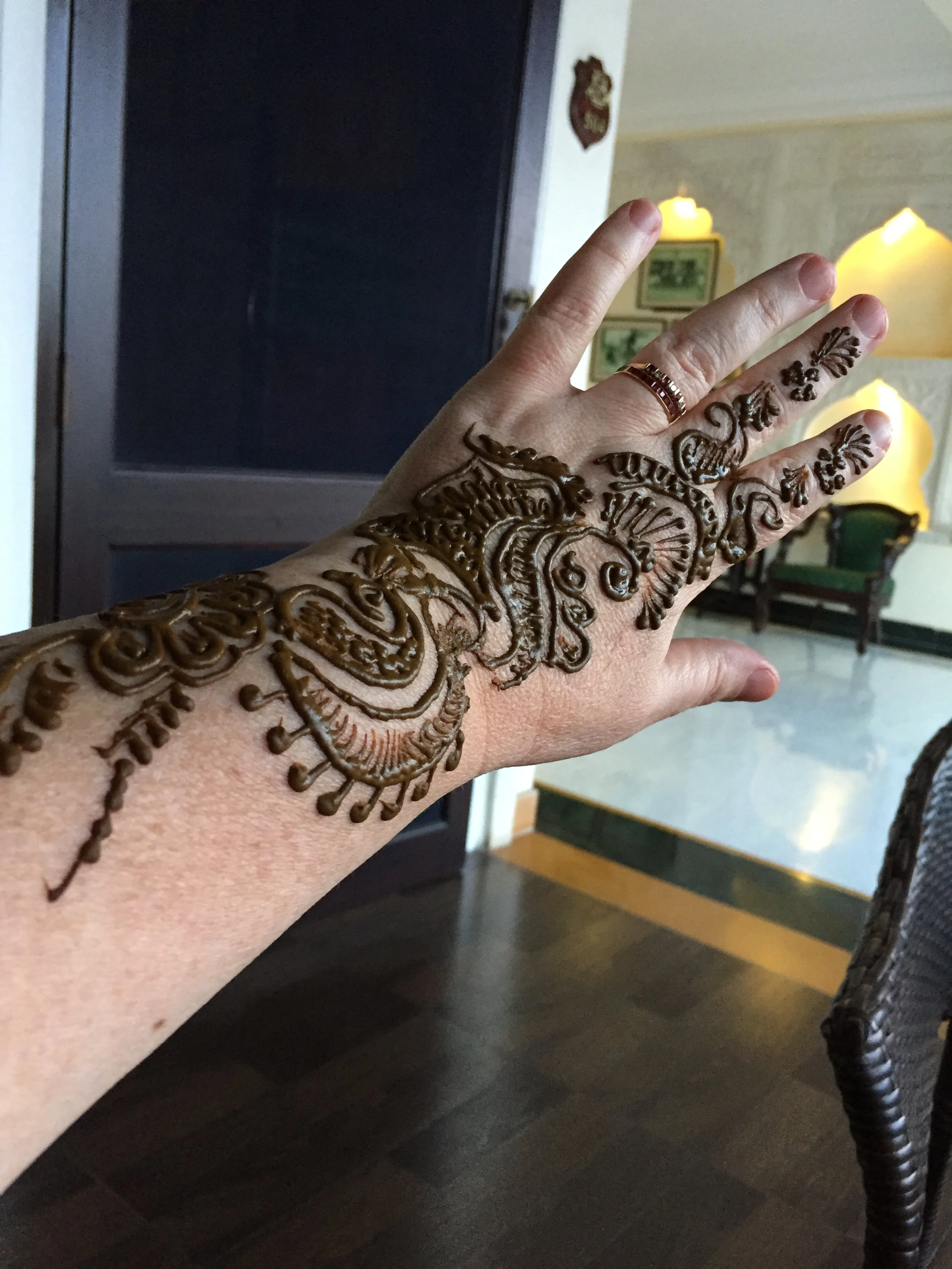
Waiting for the henna to dry to leave behind the “tattoo”
Today we will be going on a tour of Fort Amber. On our way, we passed Hawa Mahal.
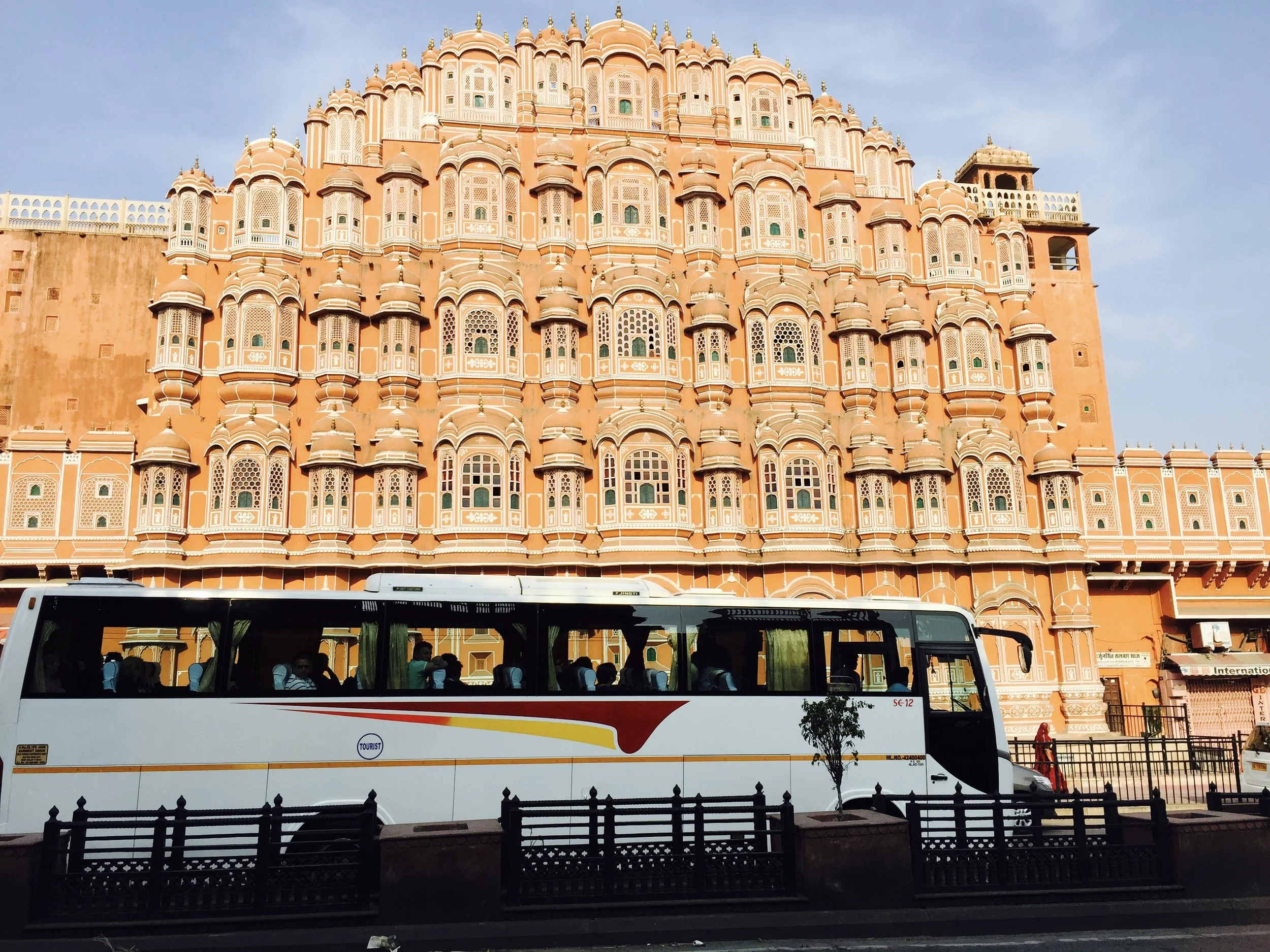
Hawa Mahal
The Hawa Mahal (Palace of Winds) is an iconic five-story palace in the heart of Jaipur, India, famous for its unique pink sandstone facade and 953 small windows designed to allow royal women to observe street life unseen. We did not have time to stop in to see it.
Amer Fort
Amer Fort (or Amber Fort) is known for its stunning blend of Rajput and Mughal architecture, built from red sandstone and marble with intricate carvings, courtyards, and hidden tunnels connecting to Jaigarh Fort. It features four distinct sections, including public halls, private royal apartments, and temples, all overlooking Maota Lake, offering breathtaking views and a glimpse into India's rich history.
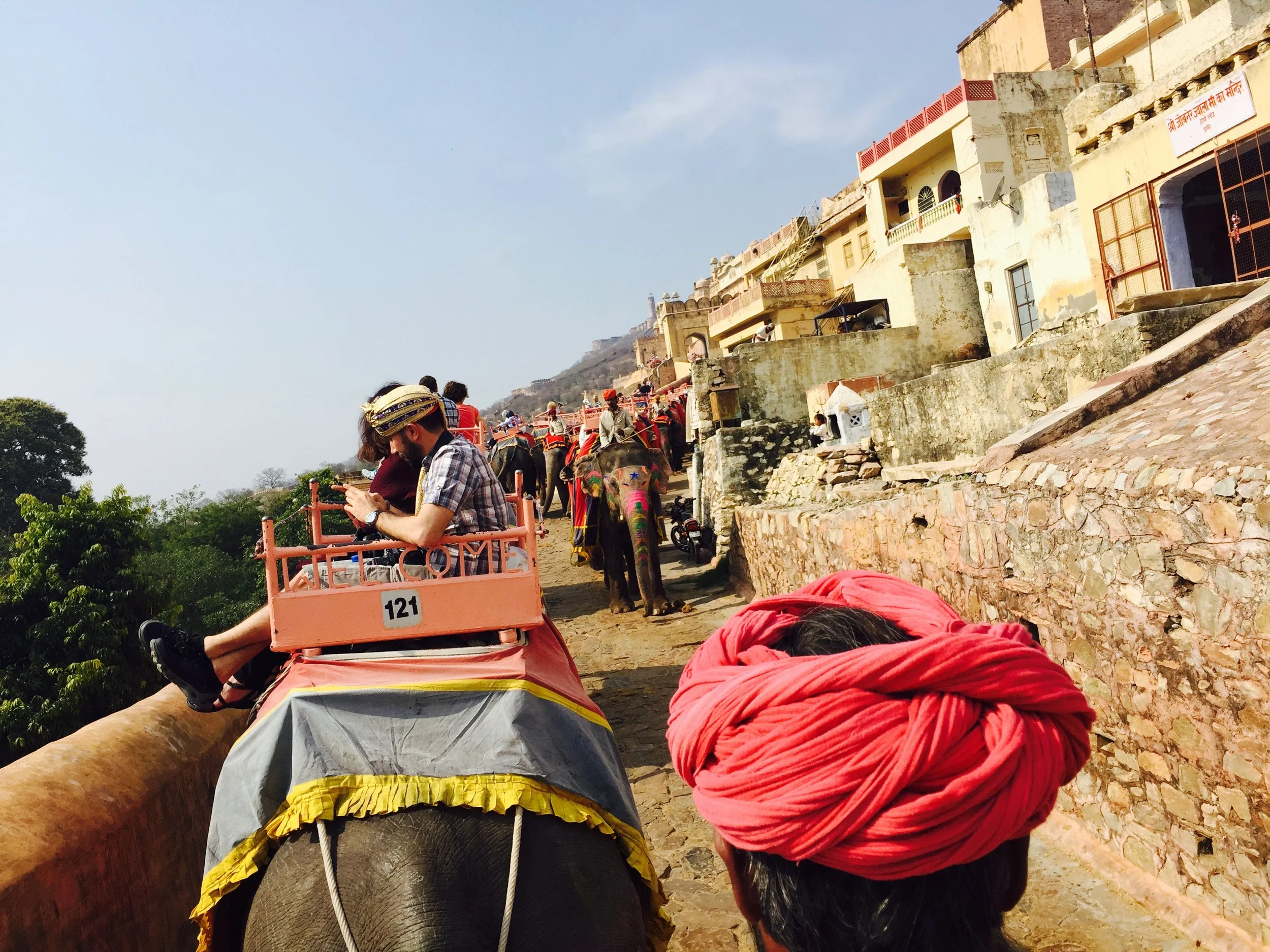
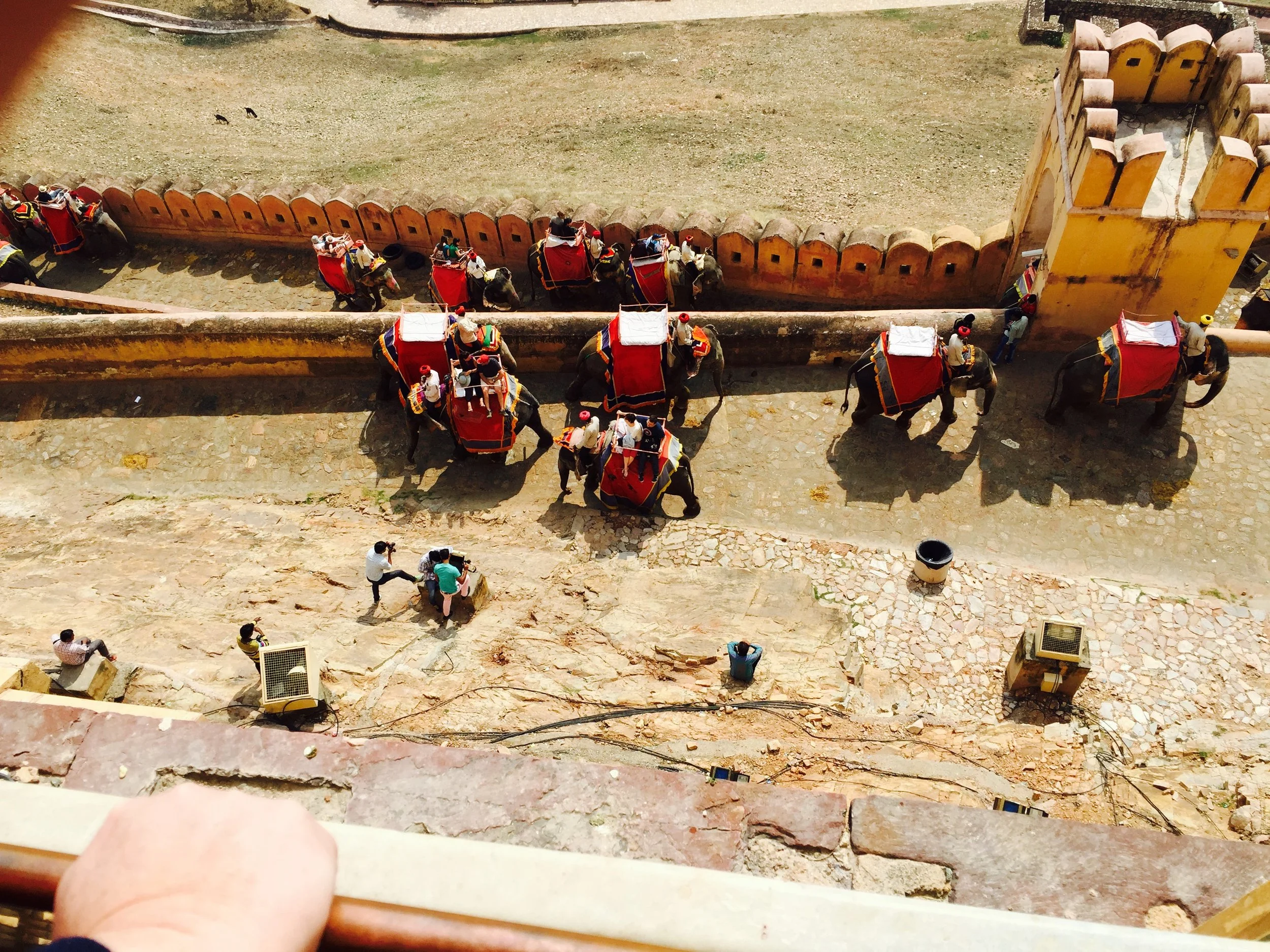
We arrived at the bottom the hill where Fort Amber is located. It is a long hike to the top, so we rode elephants to the top. I was not a fan as the ride was not comfortable and I did not like the way they treated the elephants. I would not recommend it.
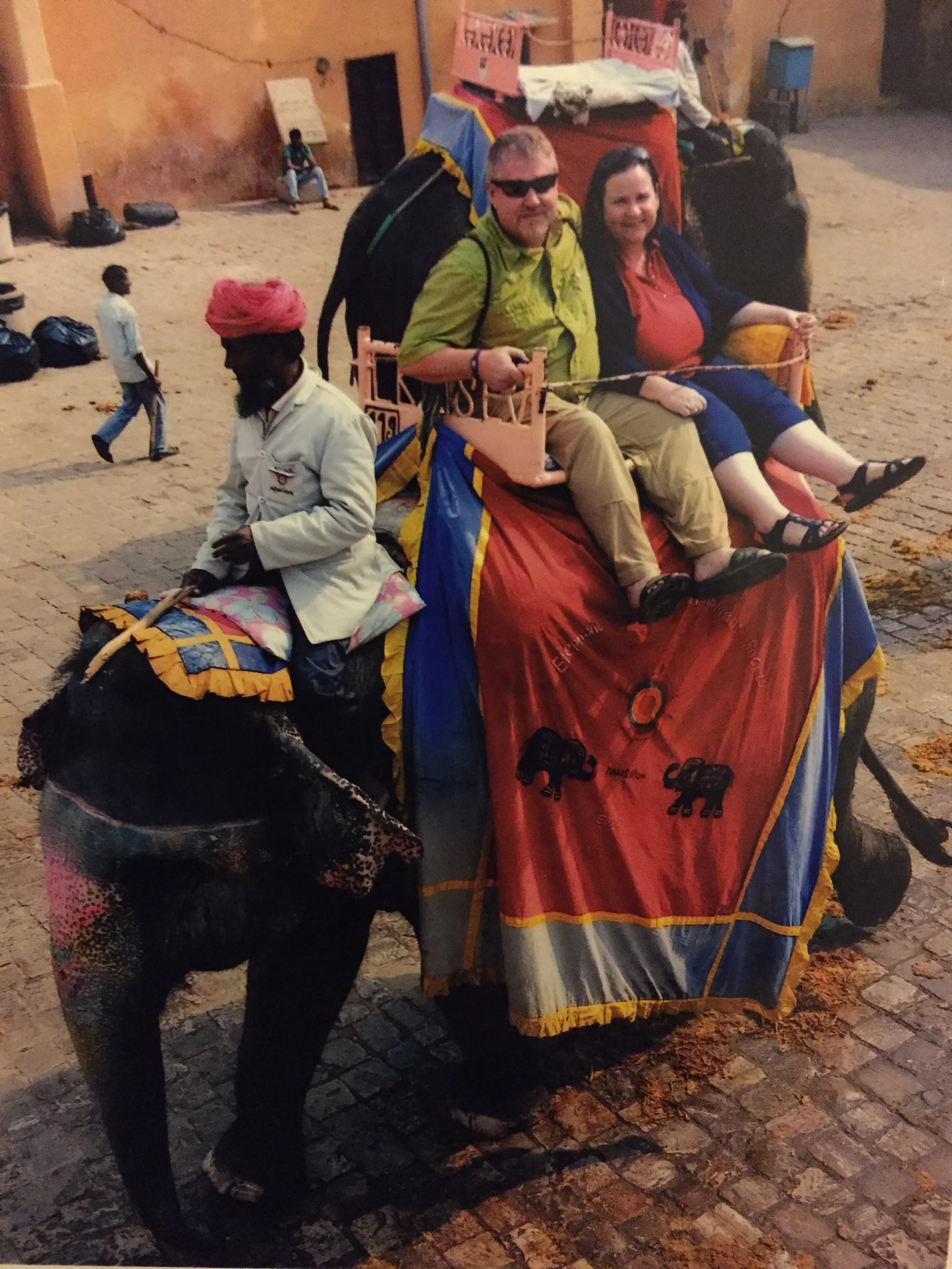
Our elephant ride.
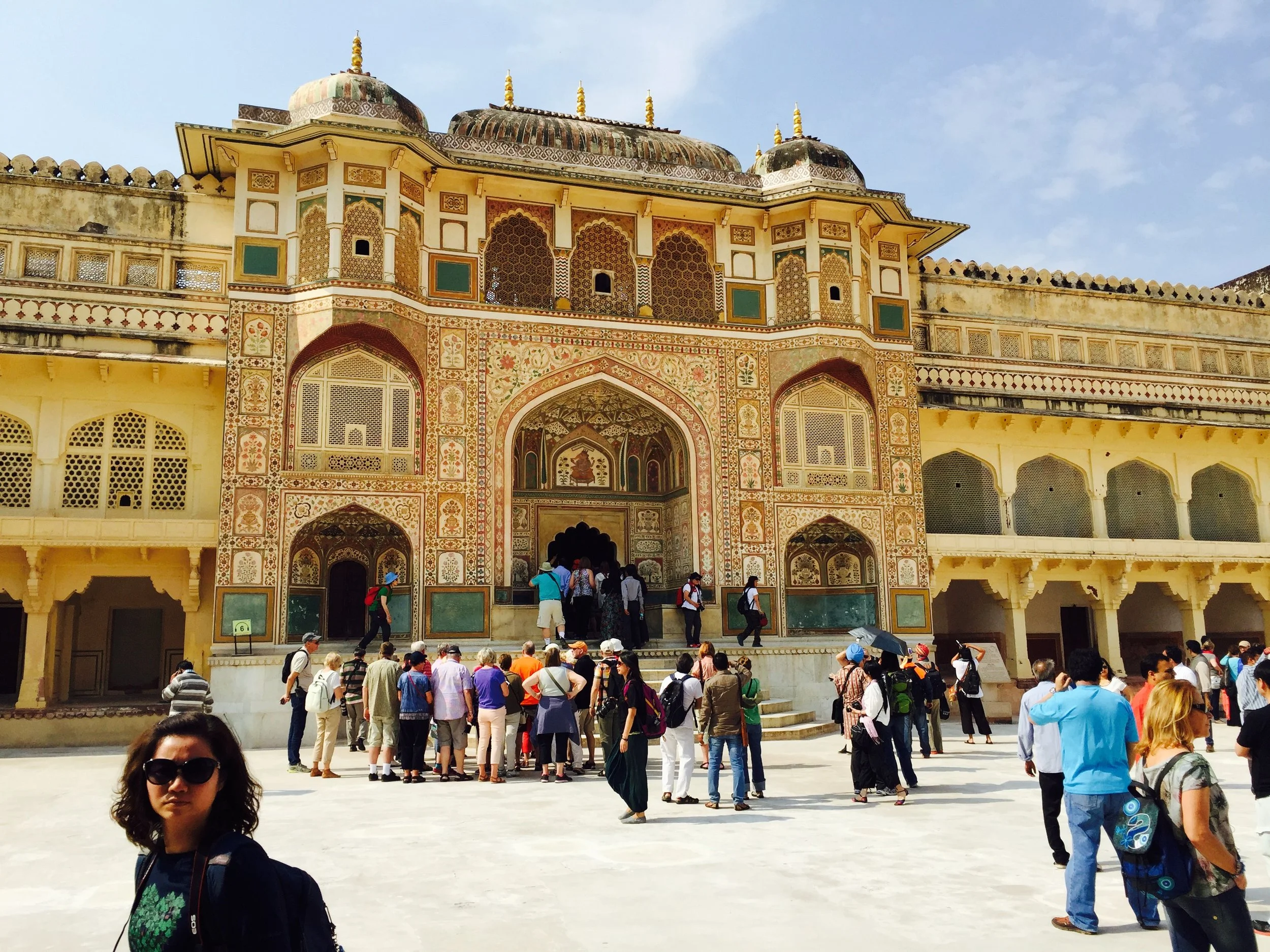
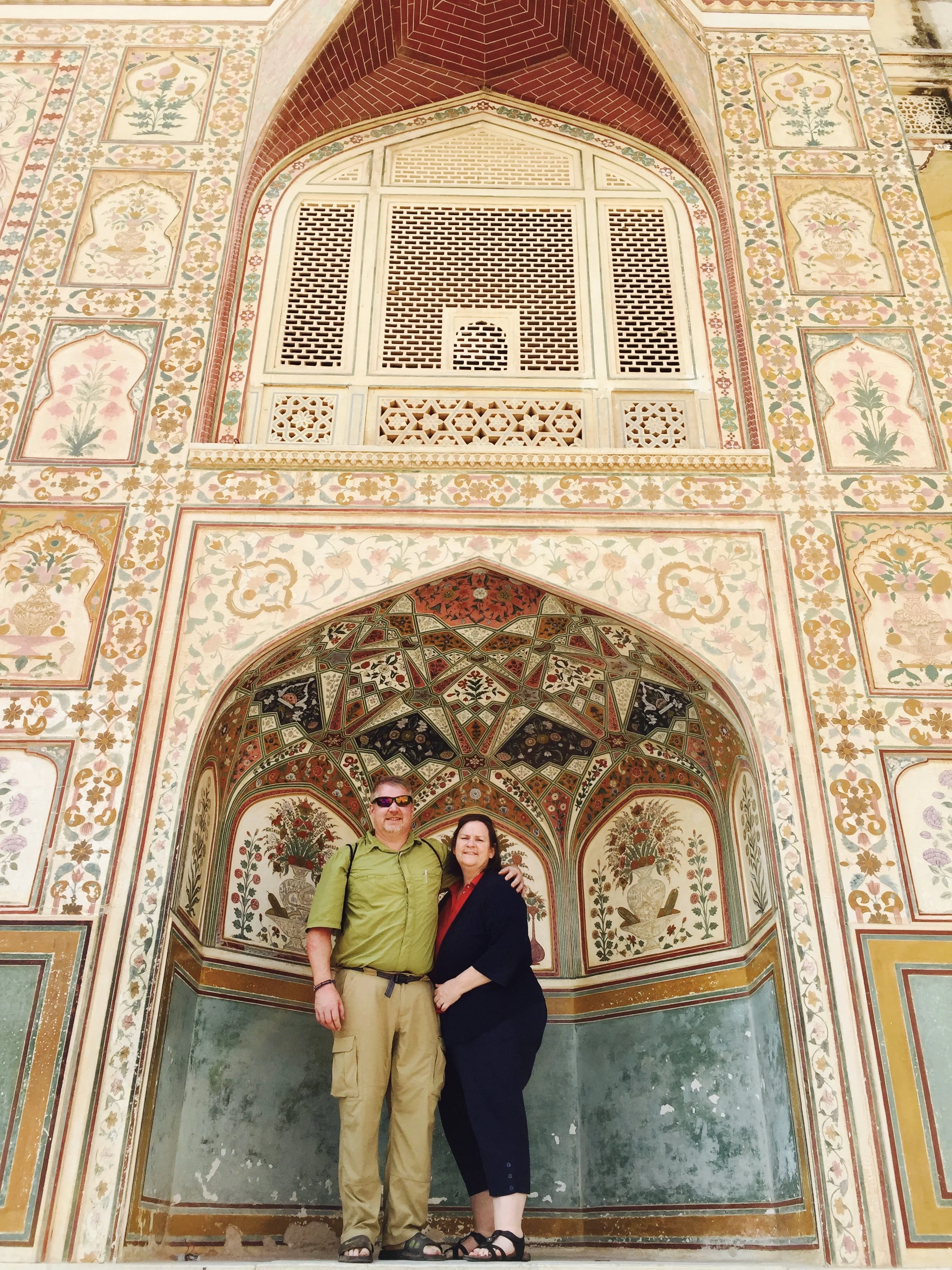
Ganesh Pol
At the top of the hill was Ganesh Pol, the Gateway to Amber Fort. Named after the Hindu deity Lord Ganesha, the remover of obstacles, the gate served as the royal and symbolic entrance to the private palaces and inner chambers of the Maharajas.
Inside the fort complex is divided into four main courtyards, each with unique features. Jaleb Chowk, Diwan-i-Aam, Sheesh Mahal and Sukh Niwas.
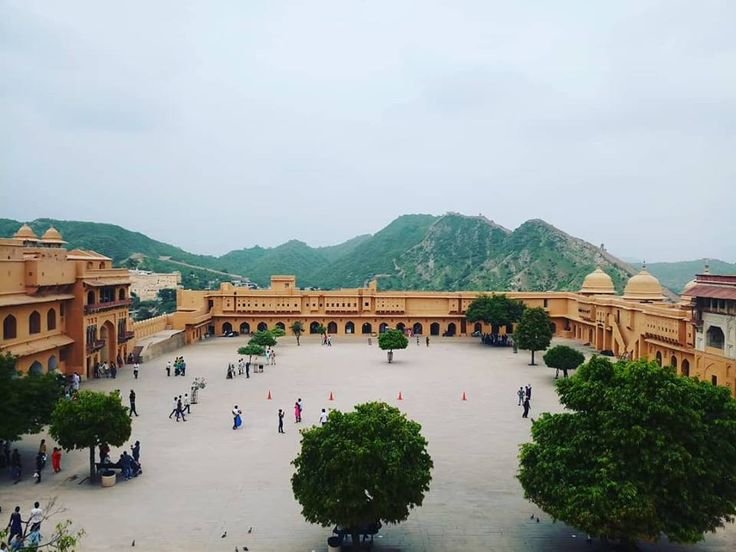
Jaleb Chowk
The main courtyard where armies would assemble and parade their war bounty.
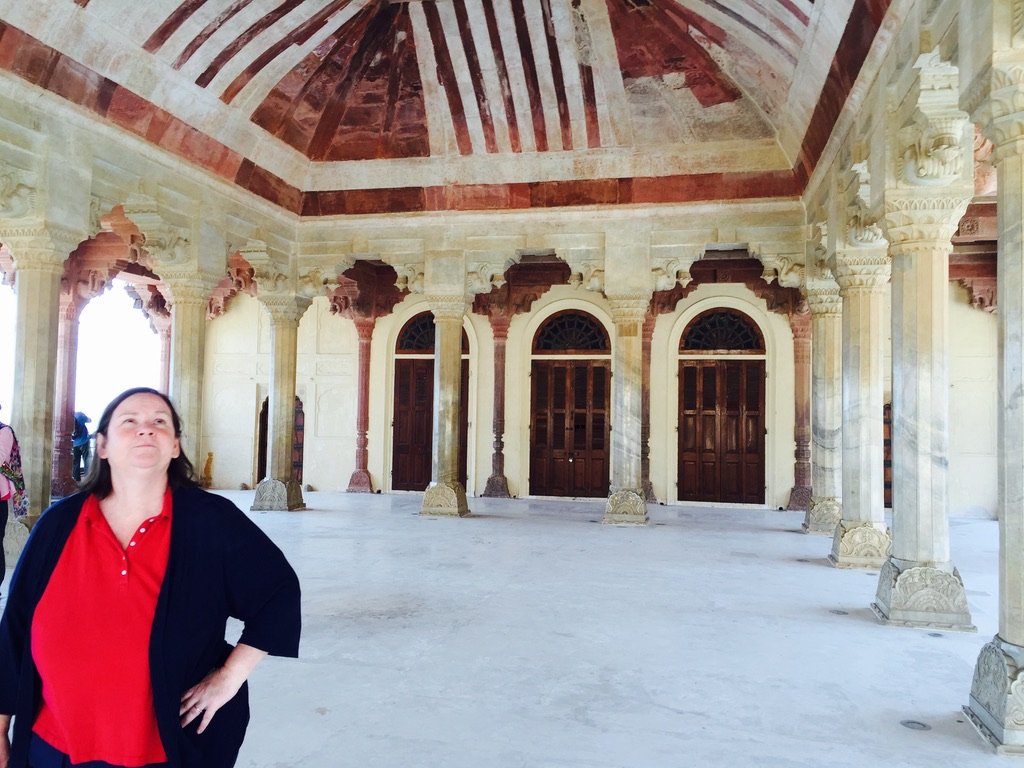
Diwan-i-Aam
The Hall of Public Audience, a beautiful hall with double rows of columns where the king heard public petitions.
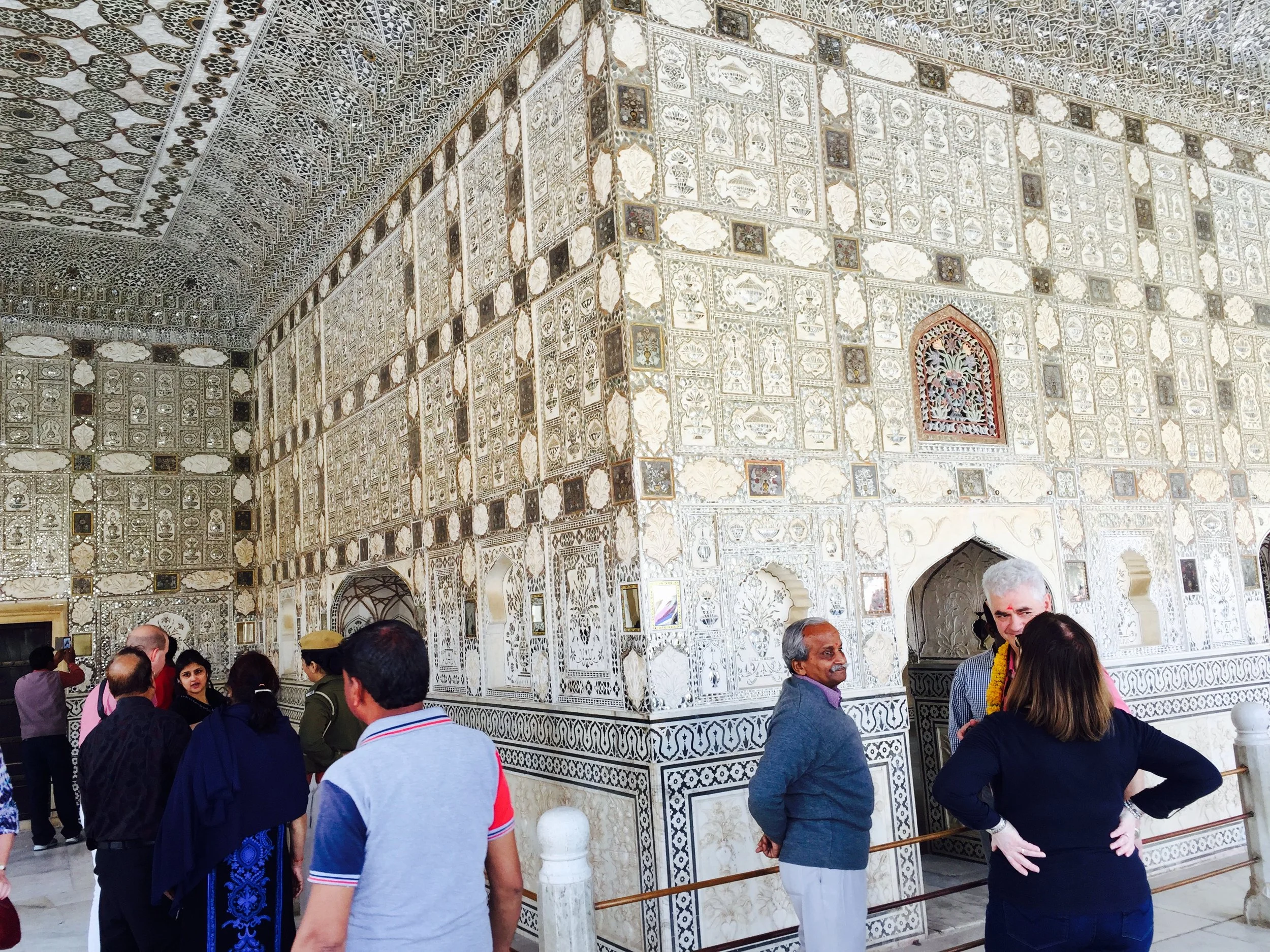
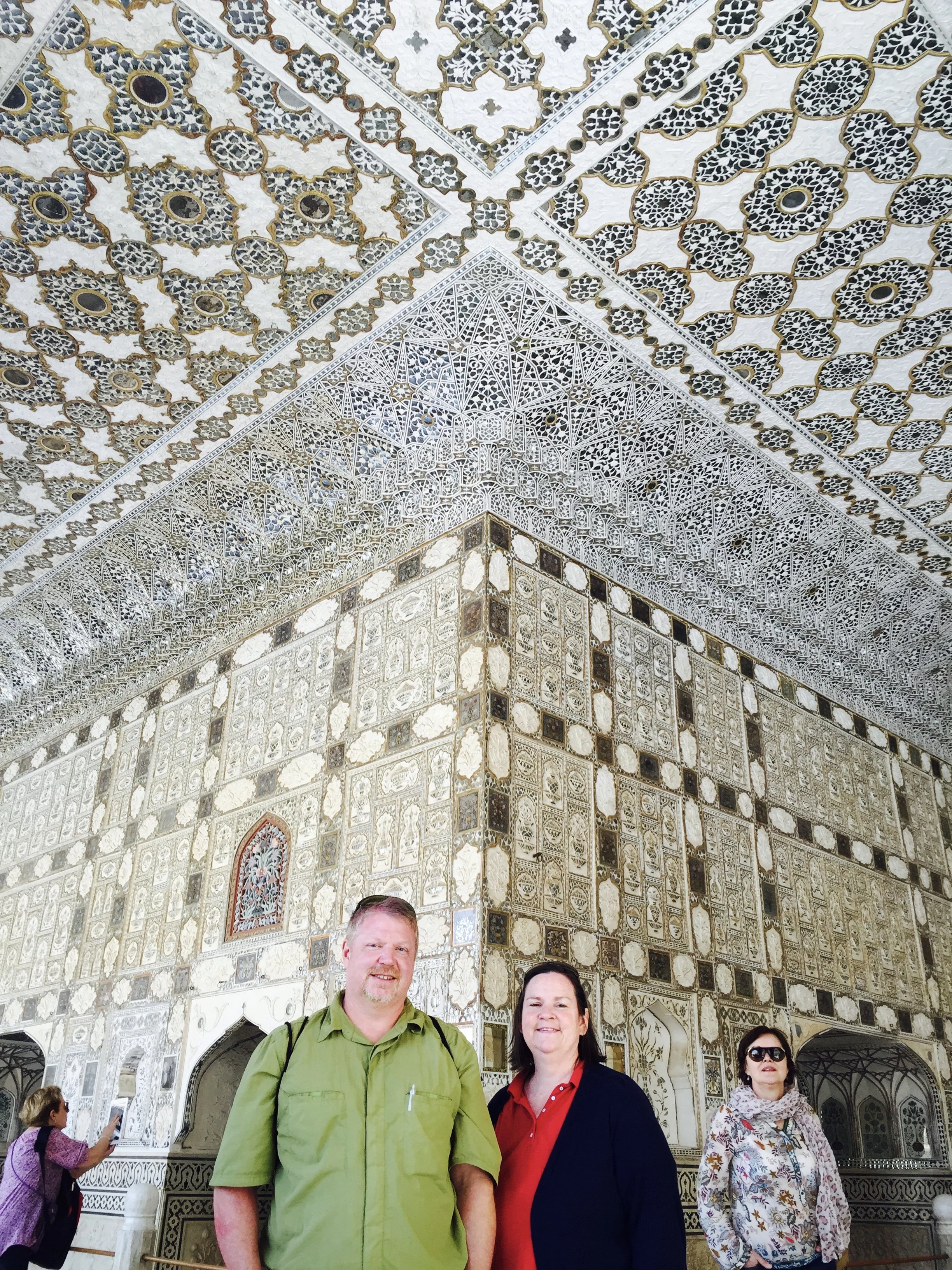
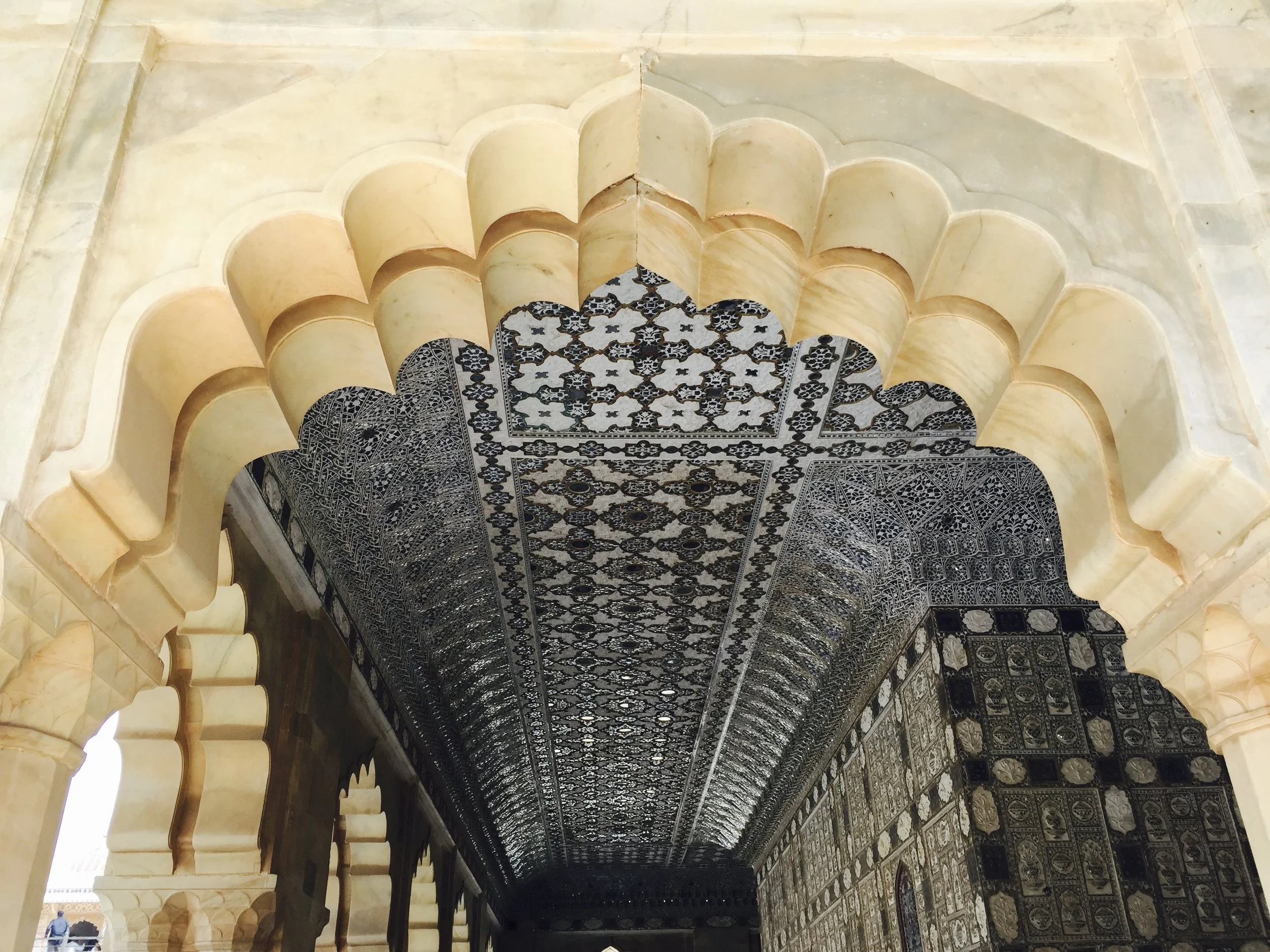
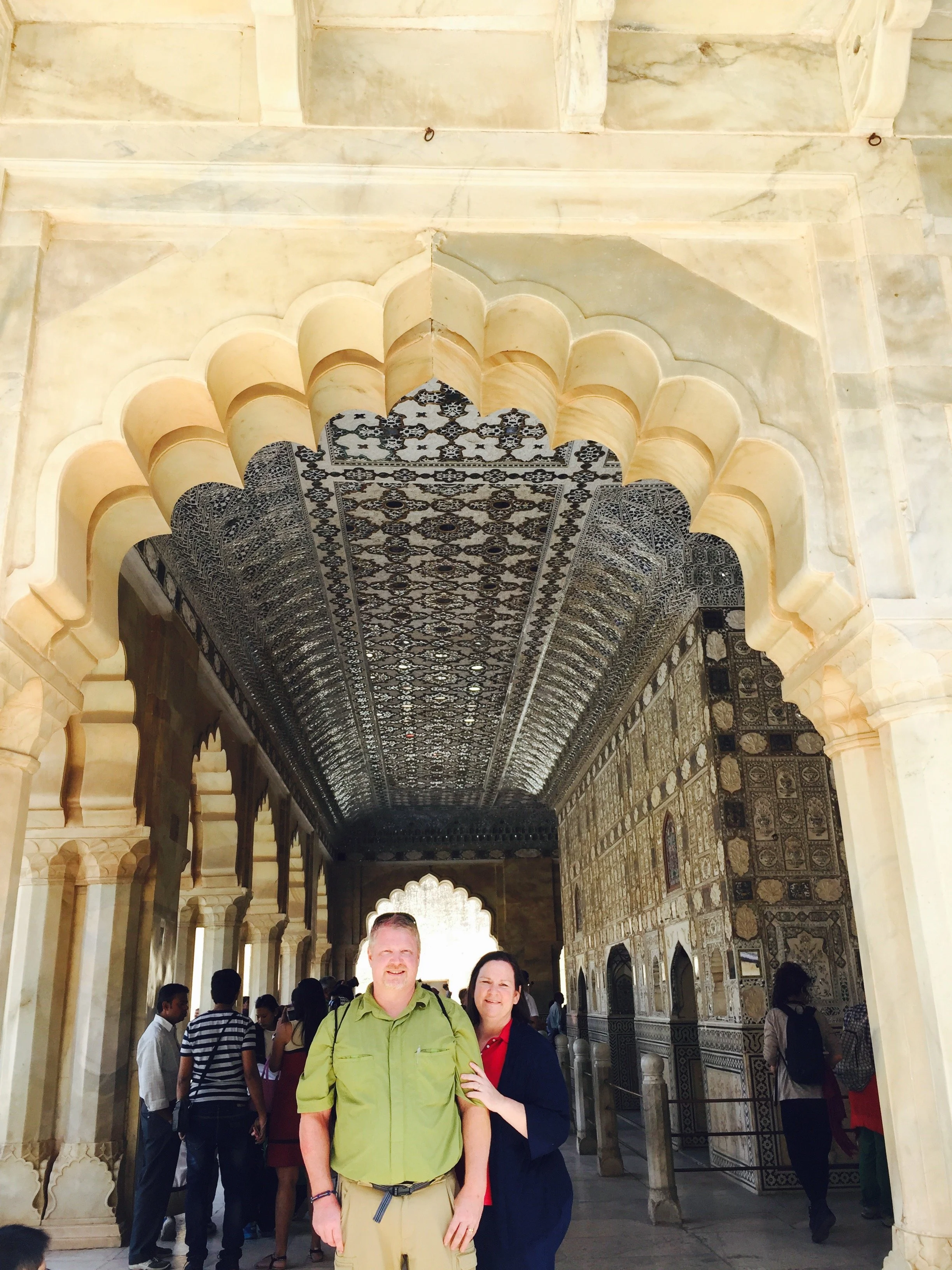
Sheesh Mahal
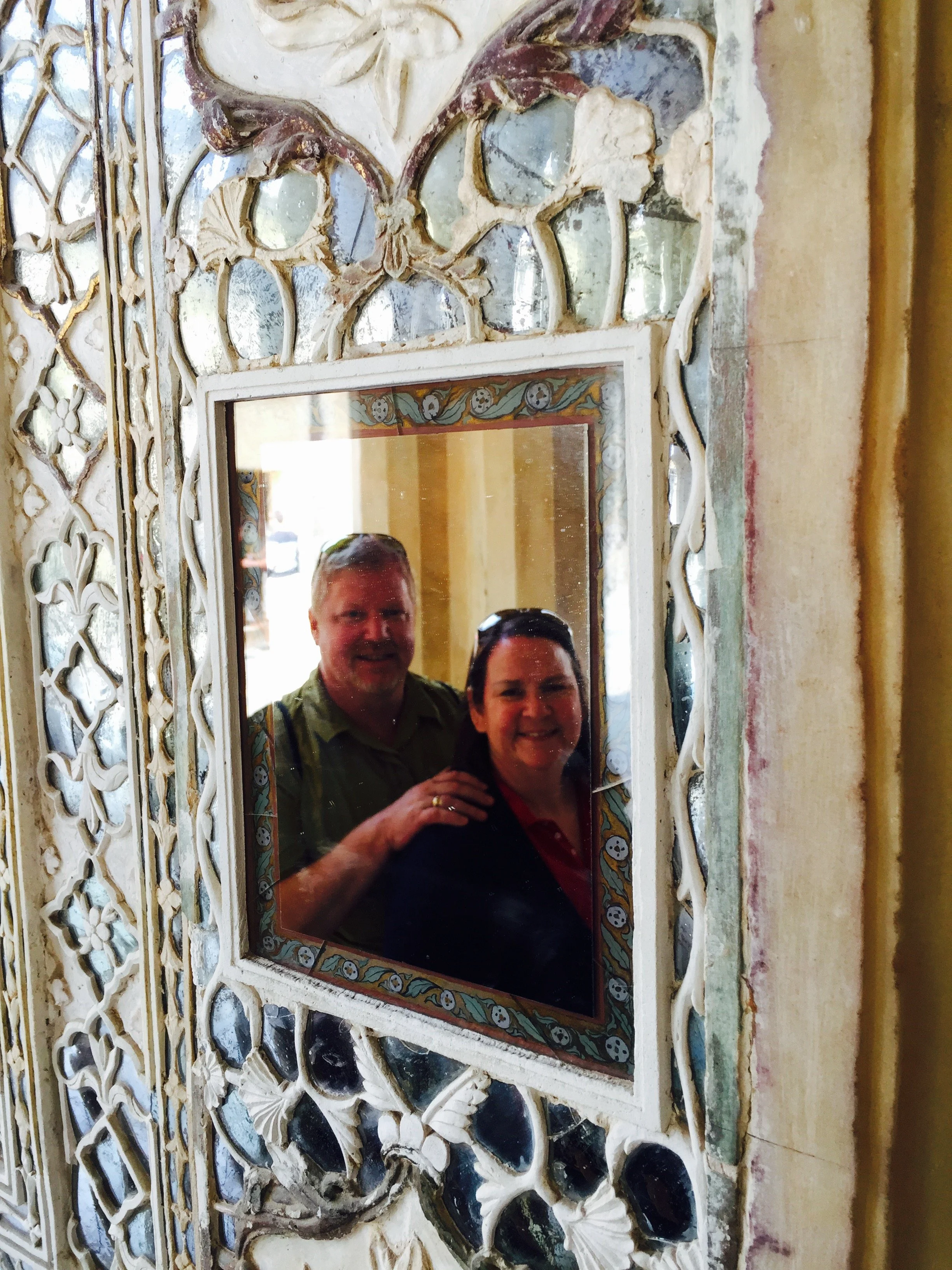
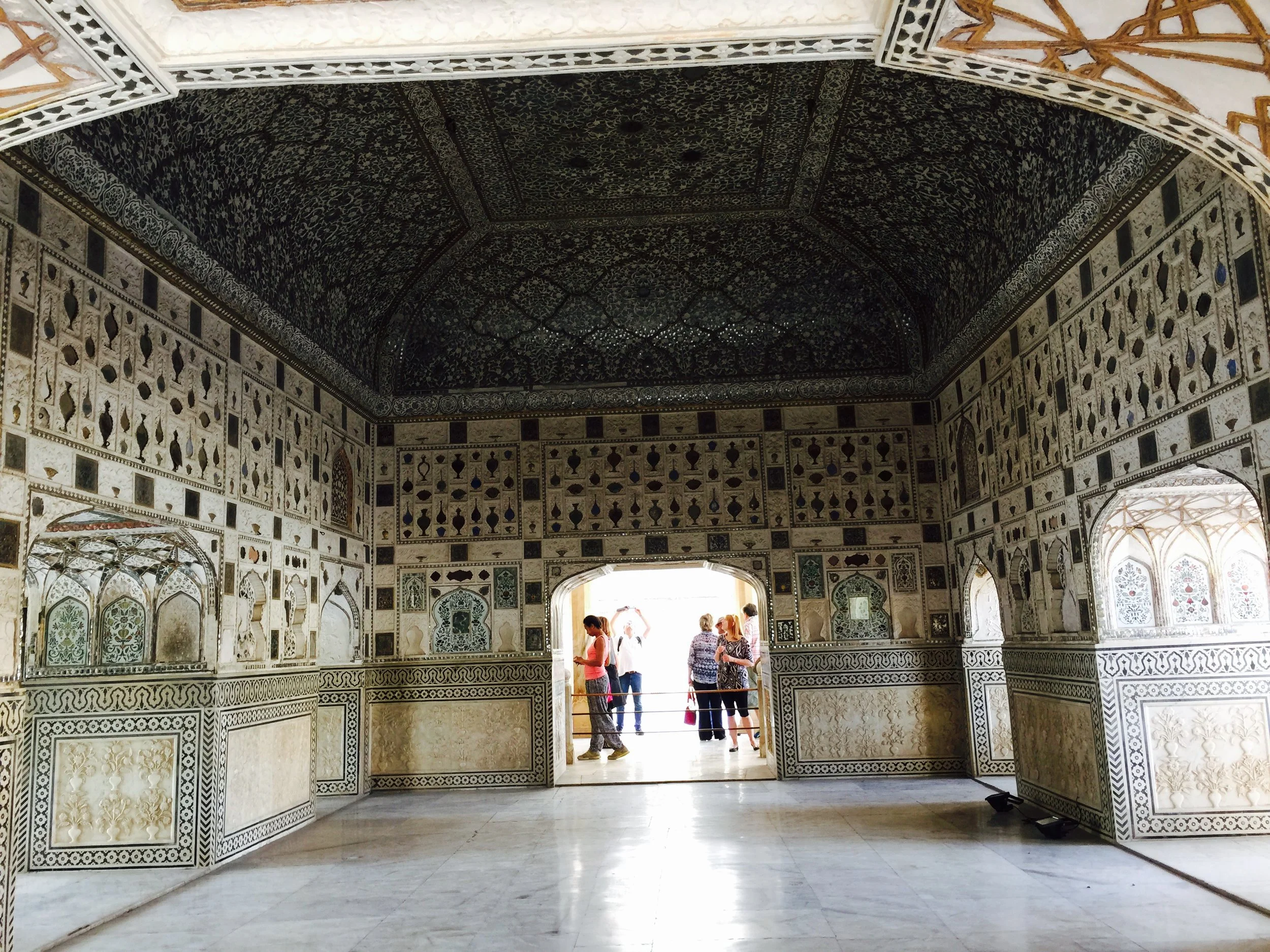
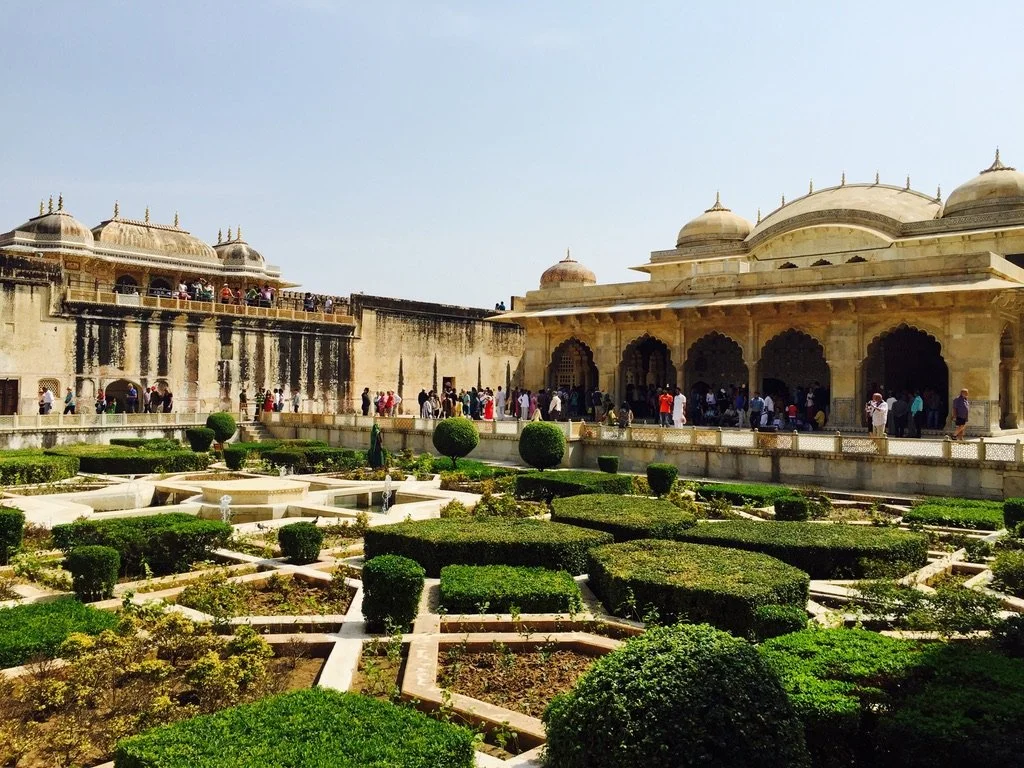
The famous Mirror Palace (Jai Mandir), where thousands of tiny mirrors intricately cover the walls and ceiling, creating a "starry" effect with just a little light.
Sukh Niwas
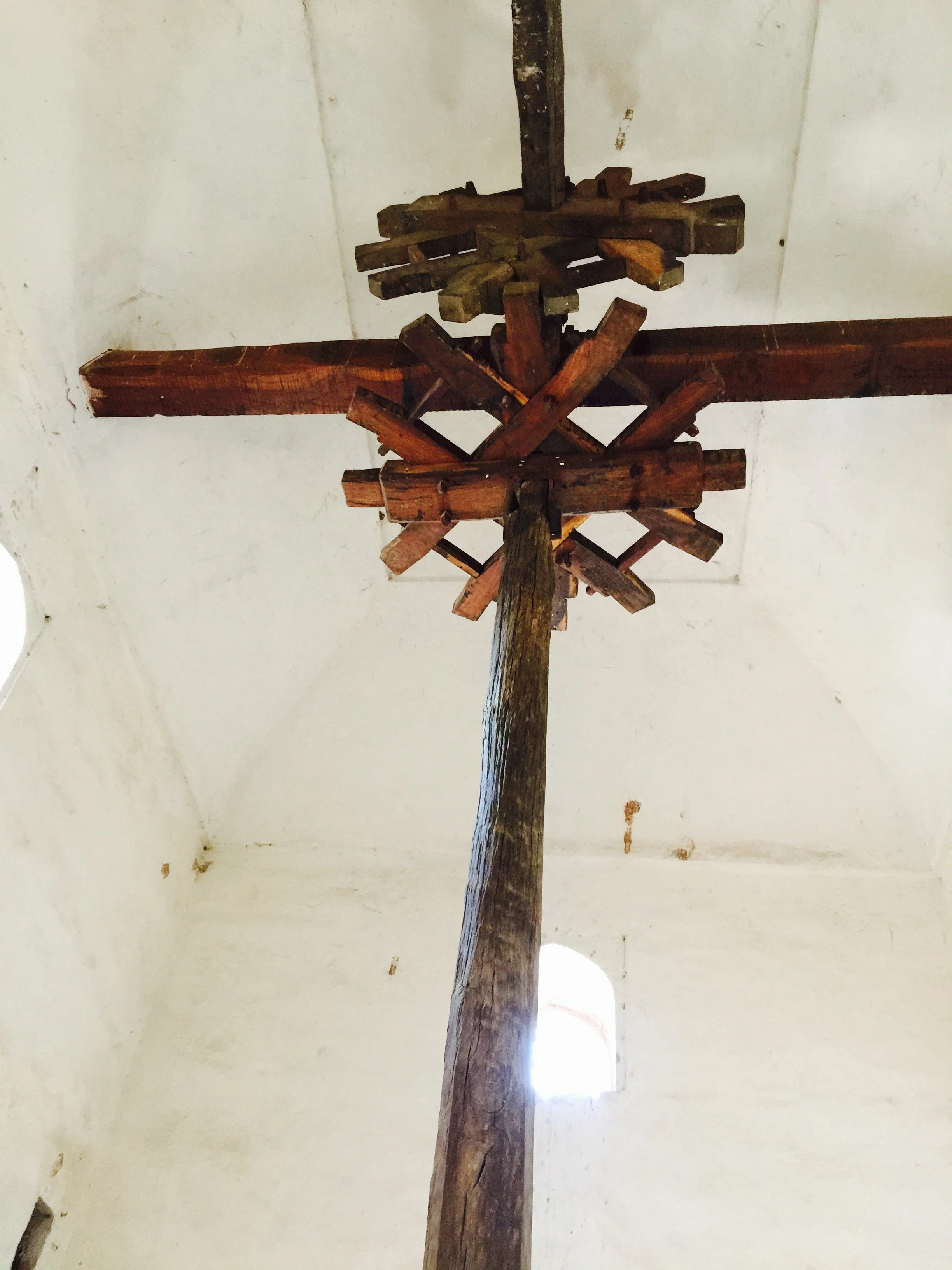
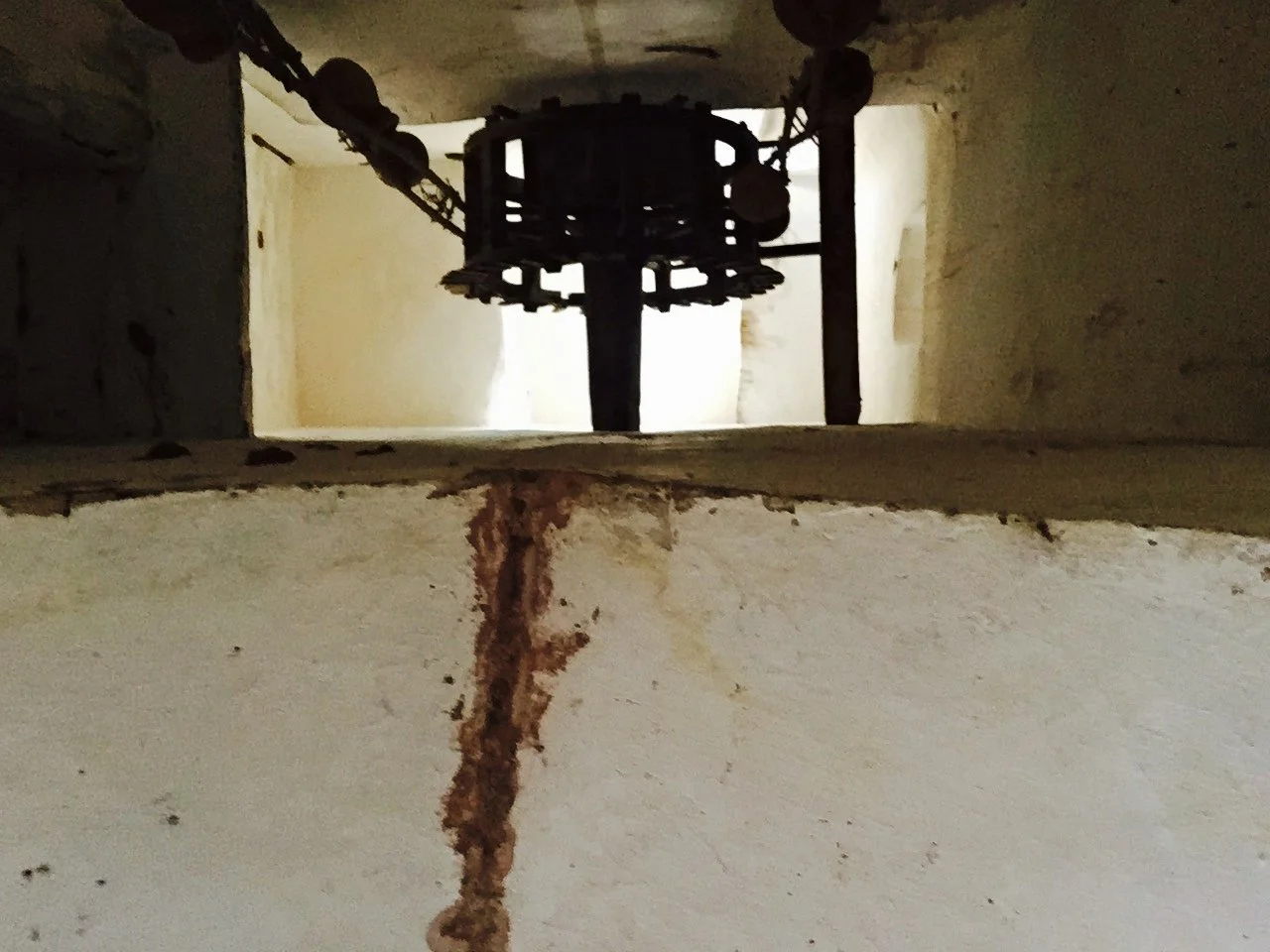
The Hall of Pleasure, which was artificially cooled by channels carrying cold water, an example of ancient air conditioning. gardens were hugh and amazing, the fort still has the wooden pulley system used to bring water into the palace.
After touring Amer Fort, we drove to the Vrihat Samrat Yantra (meaning "great king of instruments").
Jal Mahal
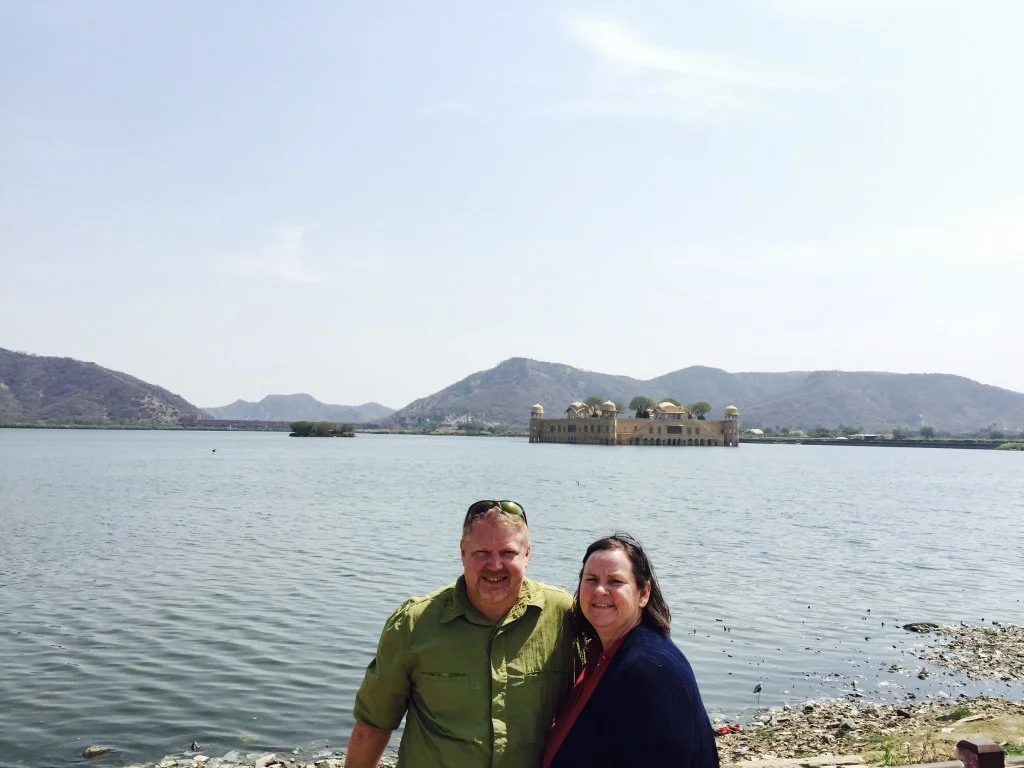
Jal Mahal, meaning "Water Palace," is a beautiful architectural structure situated in the middle of Man Sagar Lake. It is an iconic landmark of Jaipur, known for its unique design where most of the palace is submerged, with only the top floor visible above the water.We only saw it from shore.
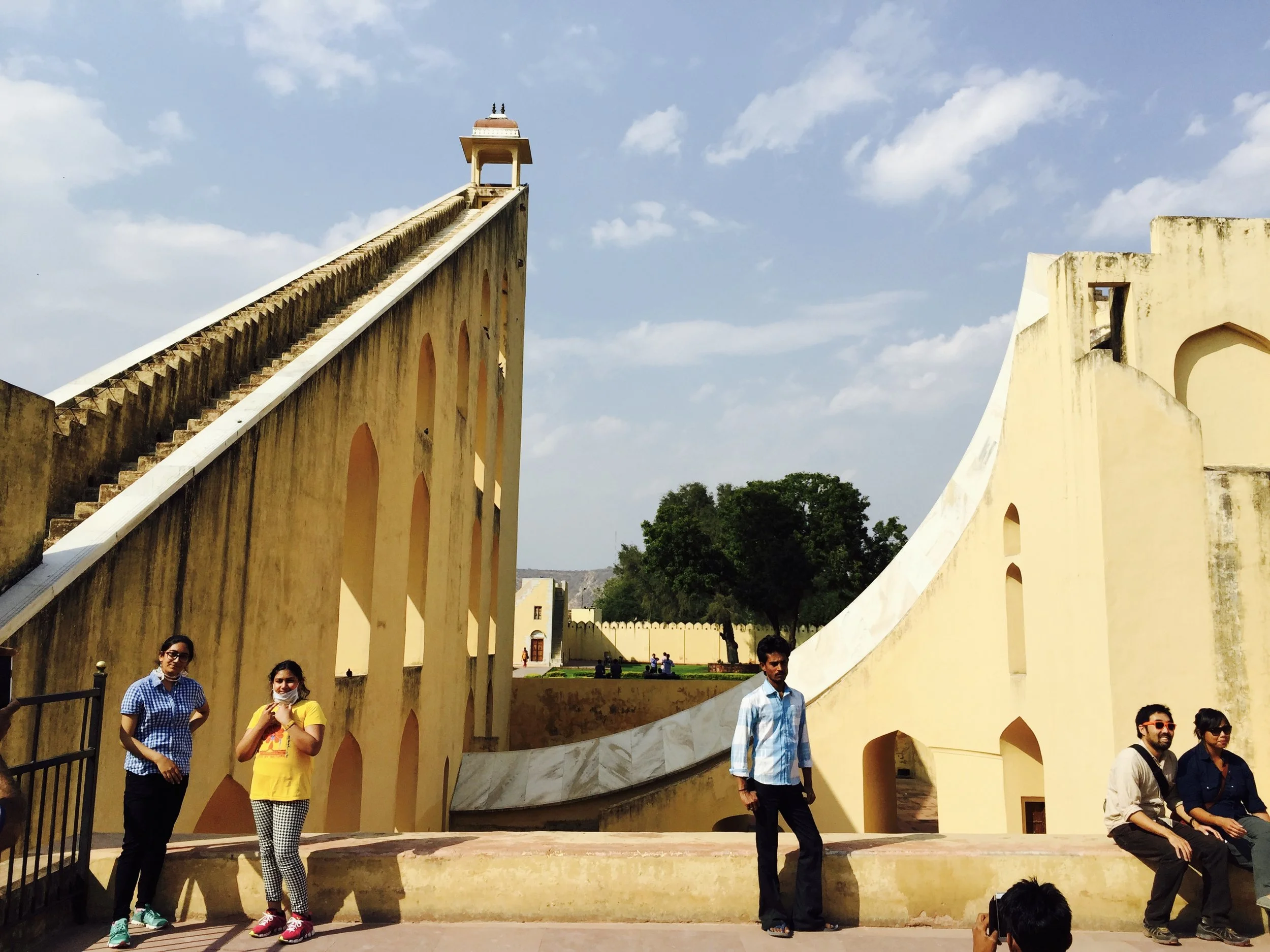
Vrihat Samrat Yantra
This is the world's largest stone sundial. It was built in the 18th century by Maharaja Sawai Jai Singh II to measure local time, the sun's declination, and other celestial coordinates with remarkable precision.
Next we went to the Grand Palace of Jaipur.
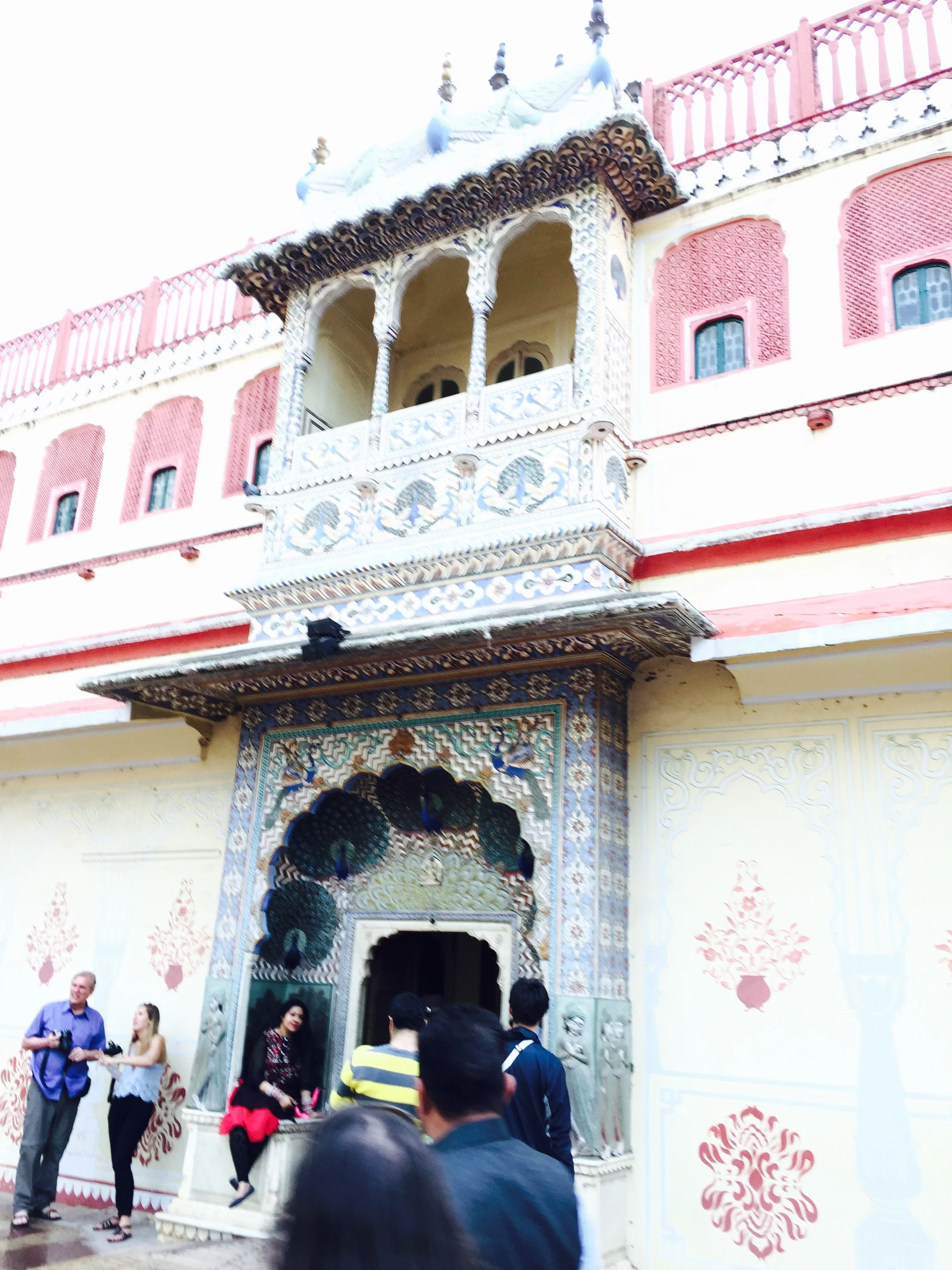
Grand Palace of Jaipur.
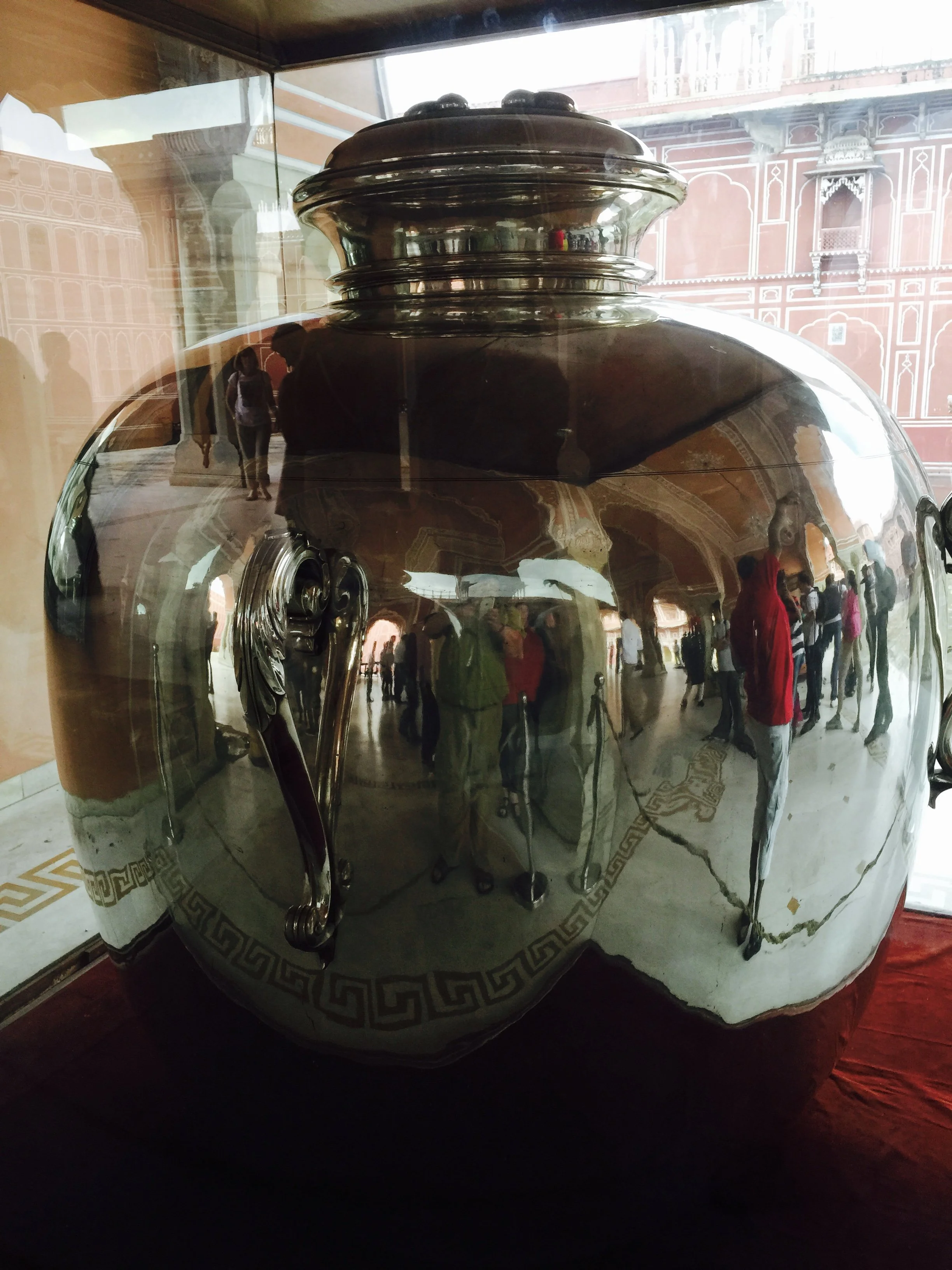
This is a museum and a residence for the Jaipur Royal family. Here we went to the Diwan-i-Khas inside the palace where the world's largest sterling silver vessels, known as "Gangajelis". These immense urns were created for a specific historical journey and are a major attraction.
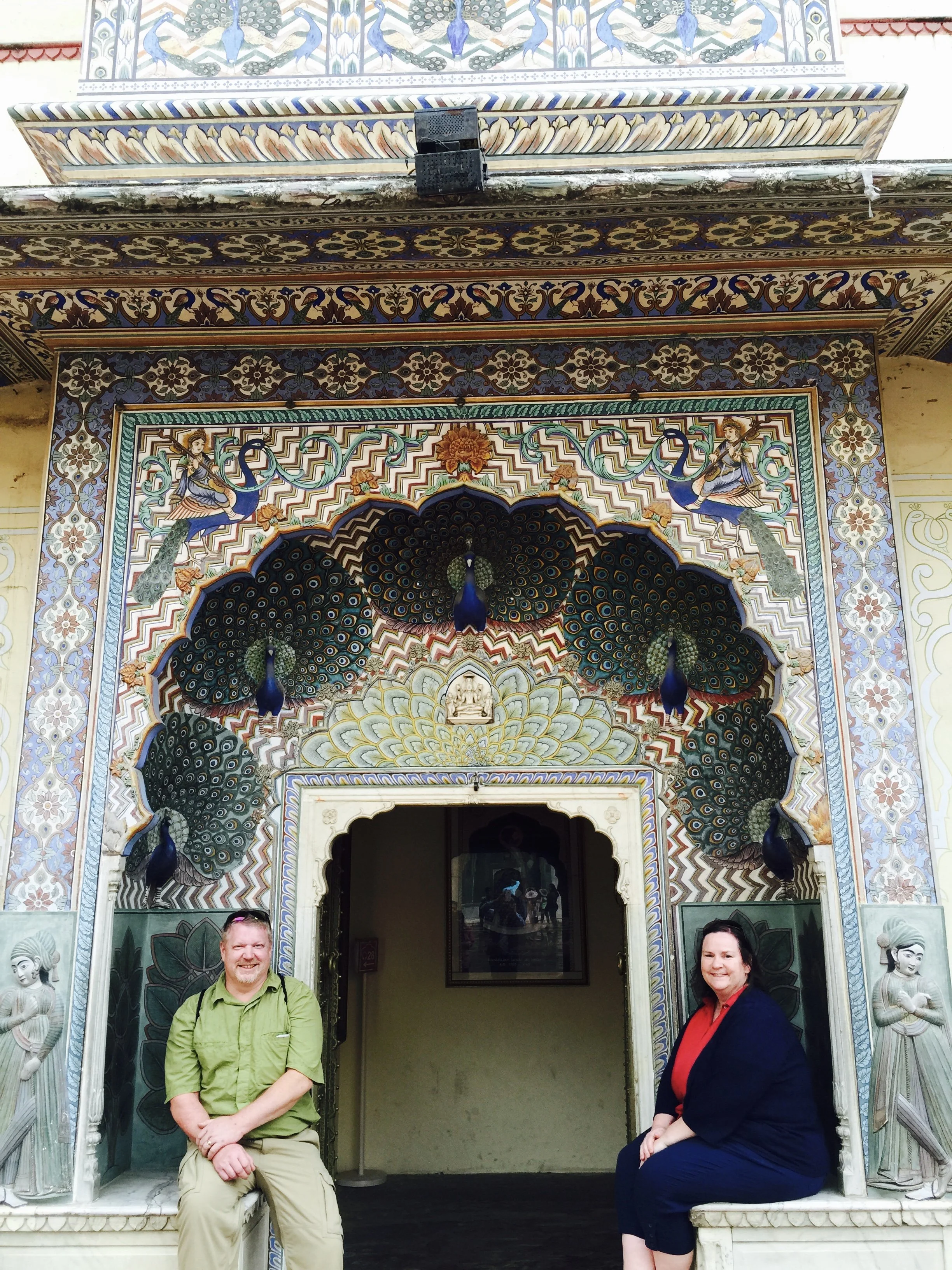
The Pritam Niwas Chowk gates are four intricately decorated doors within the Palace. Famous for representing the four seasons and dedicated to specific Hindu deities. The Peacock Gate for autumn, The Lotus gate for Summer, The Green gate for Spring and the Rose Gate for Winter.
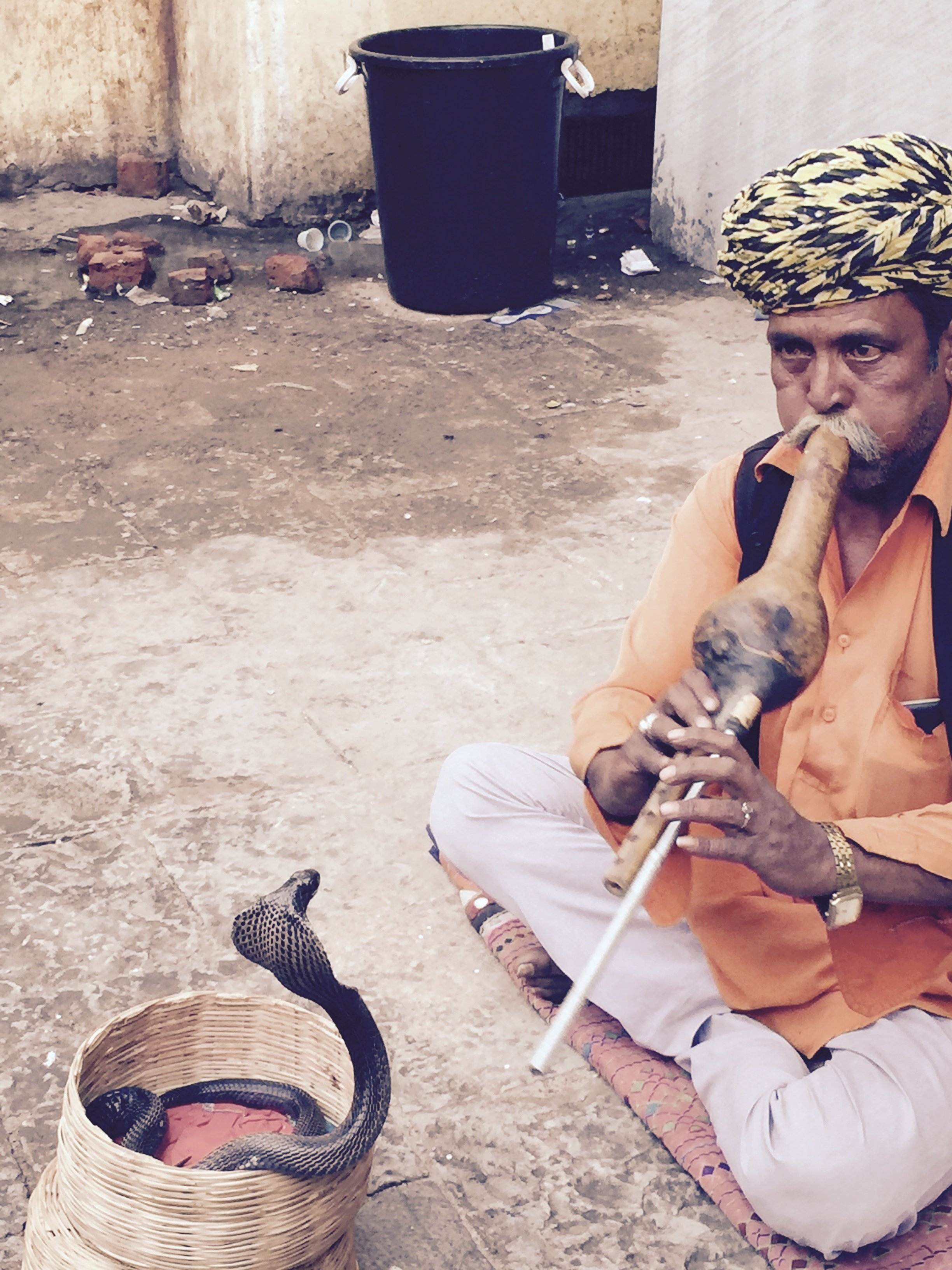
Snake Charmer
And our journey would not be complete without a snake charmer. We found one outside the Palace.
